The tech your business runs on should just work.
BespokeForge runs your site, servers, data, and automations as one connected system, with direct access to the senior engineer who builds and maintains it. Fixed prices, full accountability, for less than the cost of hiring in-house. Your engineering department, fractional.
45 minutes. No pitch. You describe what's going wrong and leave knowing what's actually causing it.
Four disciplines. One standard of precision.
Your website and everything behind it, built and run as one connected system, held to a single standard from first scope through to long-term operation. In plain terms: the site itself, the servers and security it sits on, the connections that kill the manual work, and your data organised so it is actually usable. One engineer accountable for all four, so nothing falls through the gaps.
Build, then Optimize, then Operate. Most businesses start with a Build and stay on to Operate, because an engineer who already knows your systems is worth far more than starting over with someone new every time something breaks.
If this is your business, it isn't bad luck.
Your site slows down or goes offline right when a busy season or a campaign sends traffic. You copy information between tools by hand, because nothing you use actually connects. Something breaks, and no one can say whose job it is to fix it. The people who built it took the final payment and disappeared.
None of that is bad luck. Your systems were built to be handed over, not to be run, so no one truly owns them. That is the gap BespokeForge closes: systems built properly, then run by the same engineer who built them.
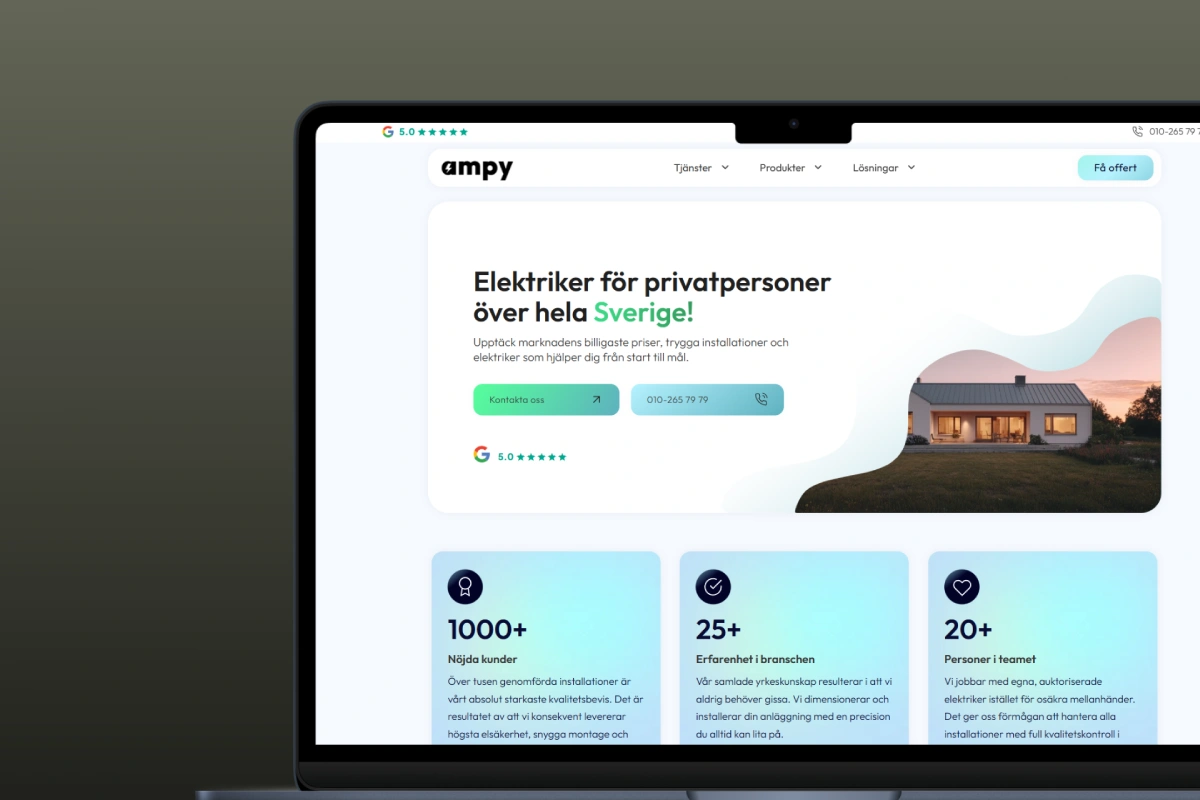
A process designed to end in a relationship, not a handover.
Every engagement starts with a free 45-minute diagnostic, so your business is understood before anything is touched. Builds are then scoped through a fixed-fee audit, credited in full toward the work, and the price is agreed in writing before a line of code is written.
Most clients stay on afterward, not because they are locked in, but because walking away from someone who already understands your systems makes no sense. The goal is to become your engineering department, not to finish a project and leave.
Diagnostic
You walk through what's broken and what you've already tried. You get a straight answer on what's actually causing it, whether it's fixable, and whether BespokeForge is the right fit. You leave with a diagnosis, not a proposal.
Architecture
It starts with a fixed-fee audit of what you already have, credited toward the build. Your system is then designed before a line of code is written. You review the plan in plain language, and anything that doesn't make sense gets explained until it does.
Execution
Milestone-based delivery. You always know what's done and what's next. Everything is tested before it ships, not after.
Operations
This is where it changes. BespokeForge stops being a vendor and becomes your engineering department: your systems monitored, maintained, and extended as your business grows. One point of accountability for everything built for you.
OngoingNon-negotiables.
A few things are not up for negotiation, regardless of budget or timeline. They are the difference between a system that lasts and one that merely launches.
Documentation, always
Every system ships with runbooks and a written handover. No critical knowledge lives in one person's head.
One senior engineer
The person who scopes your work is the one who builds it. No juniors on your budget, no account managers relaying messages.
Fixed price, agreed first
Scope and price are set in writing before anything starts. No hourly meter, no scope creep, no surprise invoices.
Built to be handed over
No lock-in. The infrastructure is yours, documented and portable. You can take it elsewhere any time, though most clients stay.
Performance is not an upsell
Speed, security, and accessibility are baseline, never line items you pay extra for.
Build it, then run it
Your build is designed to be operated long-term by the person who built it, so it doesn't decay the moment it launches.
12+ years in production.
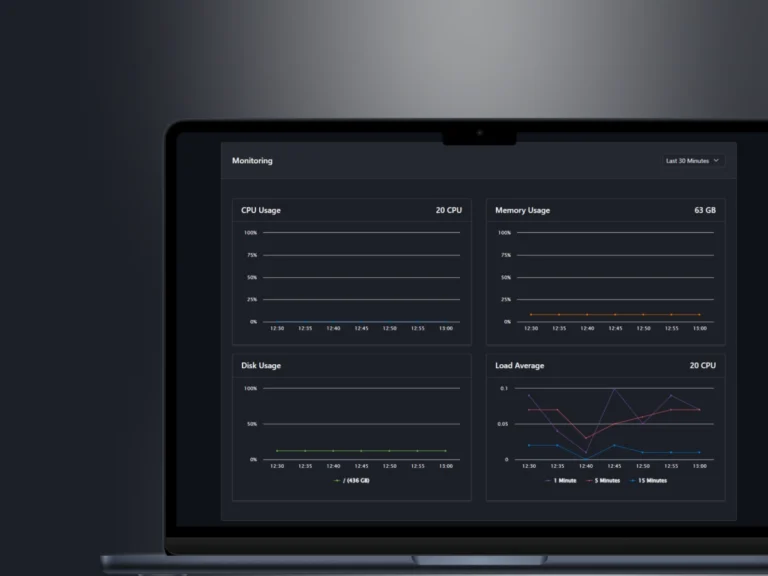
Zero-downtime platform migration
Moved a live multi-site network onto dedicated infrastructure with no downtime, then locked the origin so all traffic enters through Cloudflare and direct server access is closed.
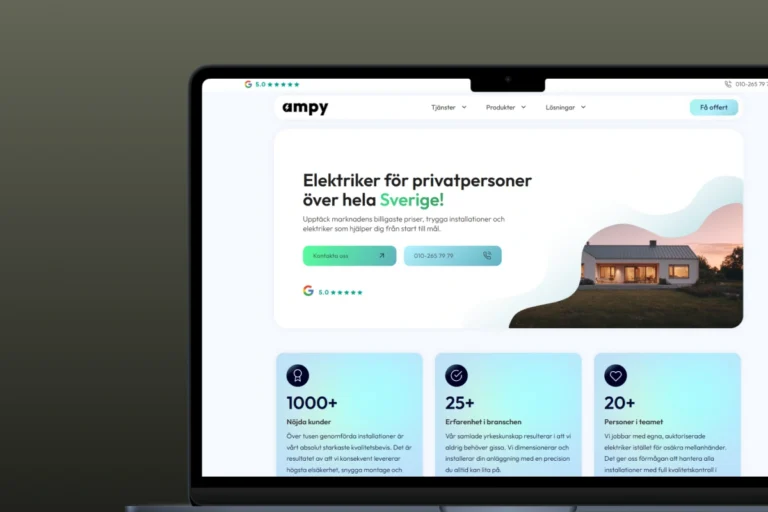
PageSpeed 63 to 98, payload cut 51%
Rebuilt how pages are delivered: desktop PageSpeed from 63 to 98, HTML payload down from 959 KB to 469 KB, layout shift brought to near zero.
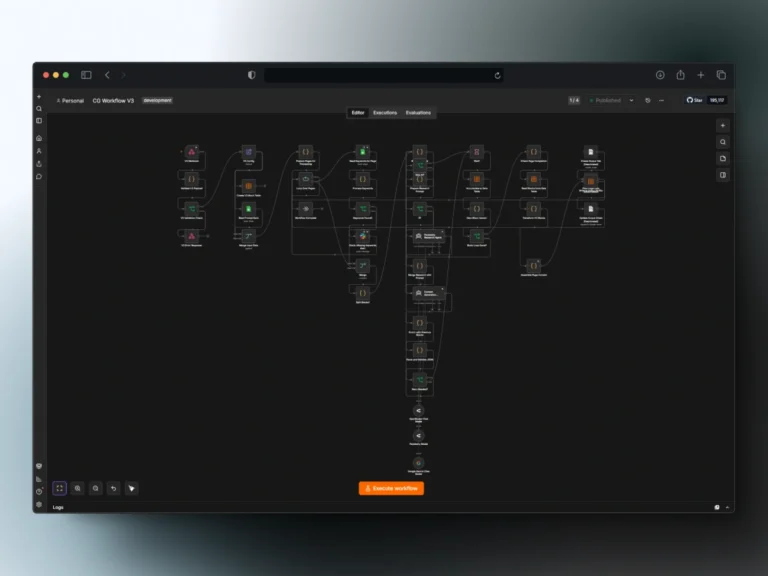
31 services migrated, zero failures
Re-homed the automation platform and AI content pipeline to self-hosted infrastructure. Full workflow history and credentials intact, every service live, zero failures.
Built, shipped, and still running.

Straight answers. No pitch.
Let's talk about your systems.
No pitch. No pressure. You describe the problem, and you get a straight answer on what's actually causing it, whether it's fixable, and whether BespokeForge is the right fit to fix it and run it.
45 minutes. Google Meet. Straight answers.
You receive a calendar link. Pick a slot that suits you, no chasing.
Bring a description of the problem. No deck needed. Notes on a napkin is fine.
You leave knowing what's actually broken and whether BespokeForge is the right fit.